Black Empowerment in The Harlem Renaissance
-
The Harlem Renaissance was a time of rejuvenation for African American intellectual, social, and cultural arts that took place in the early 20th century. The phenomenon is usually known for its widespread effect on black music, art, and literature, but what about its effect on identity? During the 1920s and 1930s, we see a profound transformation on what it means to be African American and at the same time, an ideological departure from the days of slavery and the reconstruction. Many people of color began rejecting the prospect of assimilation and instead embraced their ethnicity in order to strive for racial equality. In this blog post, I'll be discussing two very famous works written during The Harlem Renaissance which properly encapsulate the ideas of the movement; Alain Locke's "The New Negro" and Langston Hughes' "I, Too".
"The New Negro", first published in 1925, is a quintessential anthology of African American literature edited by writer and philosopher, Alain Locke. The anthology contains poems, essays, and other mediums of literature written by many renown authors and poets alike, including our friend Langston Hughes. Locke's primary goal of the text is to redefine what it meant to be African American and to challenge the existing stereotypes about black people by proving that they are able to break free from the limitations placed upon them by an oppressive society. Locke speaks about a "renewed self-respect and self dependence" for African Americans, as well as the idea that the "New Negro" has opportunities that were never there before, hence giving rise to a generation of educated, self-respecting black people who have the ability to make a change for the better. Locke's empowering outlook on The Harlem Renaissance sparked change in many black people's views on themselves, giving them a newfound sense of pride in their race, allowing them to continue a push towards an equal society.
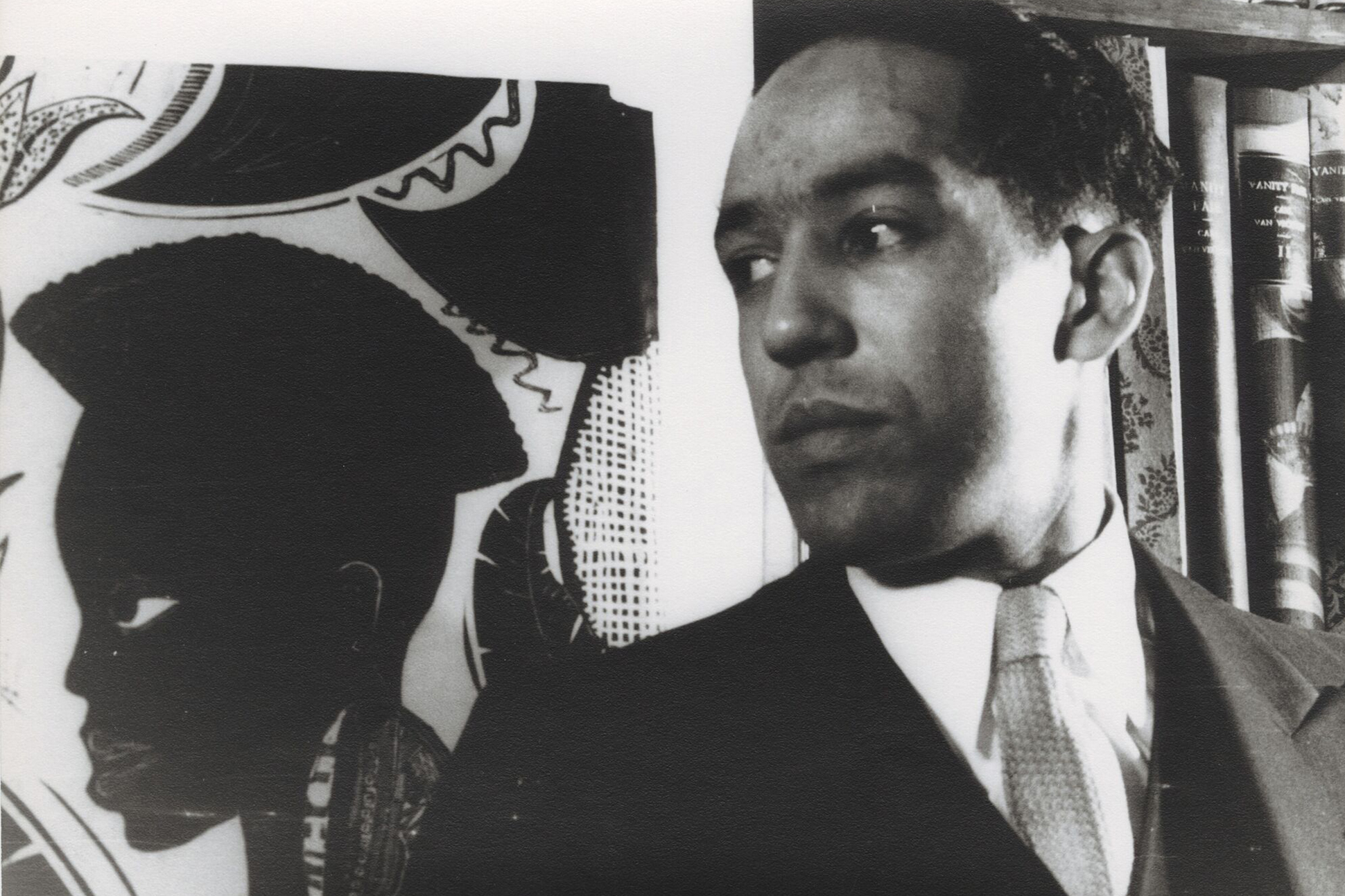
The next Harlem Renaissance text I'll be talking about is the famous poem "I, Too" by Langston Hughes, which was written and first published in 1926, shortly after Locke's anthology came out. I'm sure you all remember reading this poem in Sophomore english, although you might not recall exactly what it's about. Basically, I, Too is a metaphor for the oppression of African Americans in the United States, but also a way to signify the changing environment during the time of the "New Negro Movement". Hughes incorporates the ideas being circulated around during the Harlem Renaissance and condenses them into a short poem in order to demonstrate the importance of the push for equality. For example, when Hughes writes "They'll see how beautiful I am / And be ashamed--", he is reflecting of the idea of renewed pride and self-respect in black people that was mentioned by Locke earlier. In this way. Hughes proclaims that the era where African Americans had to be ashamed and had to try and sacrifice their identity to assimilate into white society is now over. Hughes' poem, similarly to Locke's anthology is essentially a call to action; a reminder that African Americans have a rightful place in American society, and are no longer willing to be relegated to the shadows.
To conclude, "The New Negro" and "I, Too" are powerful pieces of literature which are heavily connected by their shared message of black empowerment and resistance. The two works both express African Americans' desire for recognition and the right to fully participate in the American society. Locke's anthology laid the foundation for the Harlem Renaissance, fostering the creative spirit that Langston Hughes and many others embraced. This creative spirit, as well as the many ideas brought along by The Harlem Renaissance were a beacon of hope, shining light on the African American community's capacity for creativity and resilience. Locke and Hughes, among many others, showed that African Americans were not defined by the stereotypes of their time, but by their determination to break free from the many constraints placed upon them. The voices of these writers, poets, and artists resonated then and continue to do so today, reminding us that the struggle for recognition and equality is a part of the American story, and that we must continue to strive for a more just and inclusive society.


Yeah, I think its totally meritable to call Hughes and Locke pioneers of their time. Not only were they exploring new ideas in a era than was extremely creatively limited and operating under the confining mainstream standards of European art, but they were able to gain acclaim and find popularity among certain groups who felt the same way about art. Their success is also about more than just the content, but proving that one person can break free of societal standards paves the way for a whole new wave of artists to believe they can succeed without conforming to the same standards as well, making these two artists generationally influential figures in the realm of expression. But even more, they are racially influential figures because their framing of black forms of art as a valid helped African Americans become more comfortable with their identity and the forms of expression they thought fit their experience best.
ReplyDelete